Journal Mini expeditions
Why smaller missions matter
The annual expedition is the centerpiece. The shorter routes are where the team, process, and equipment become ready.
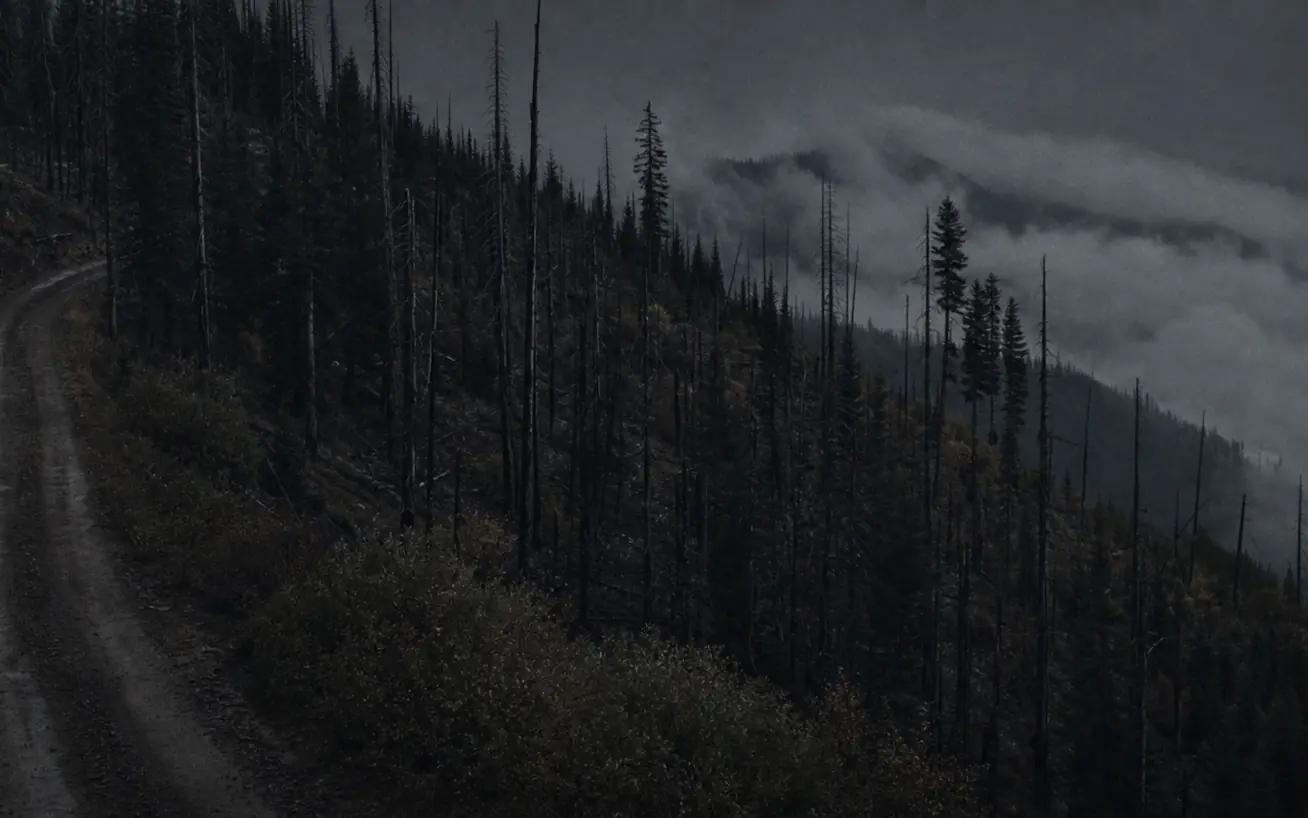
One major expedition a year is the centrepiece. It is not, however, where the work happens.
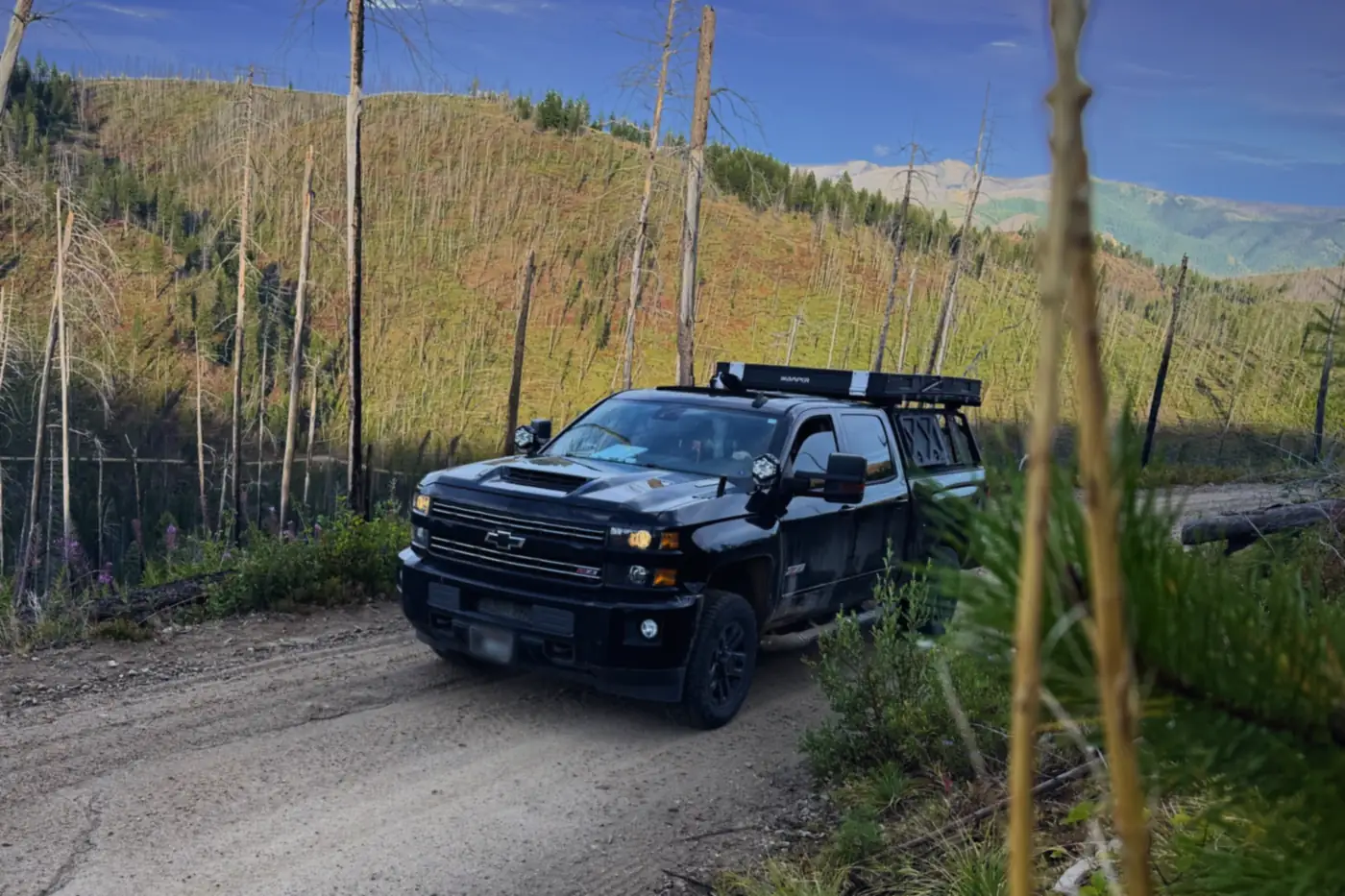
The Magruder Corridor is a hundred and one miles. You can drive it in a long day. It is also the single most useful thing we do, because a hundred miles is enough to find every problem and short enough that finding them costs nothing.
Small trips fail cheaply
A mount that vibrates loose at mile sixty is a minor annoyance in Idaho. The same mount, on the same road surface, somewhere in Bolivia, is a lost day and possibly a lost sequence.
So the mini expeditions exist to break things on purpose, close to home:
- Load the trucks exactly as they would be loaded for the real thing
- Run the actual filming workflow, not a simplified version of it
- Camp the way we would camp, cook the way we would cook
- Write down every single thing that annoyed anyone
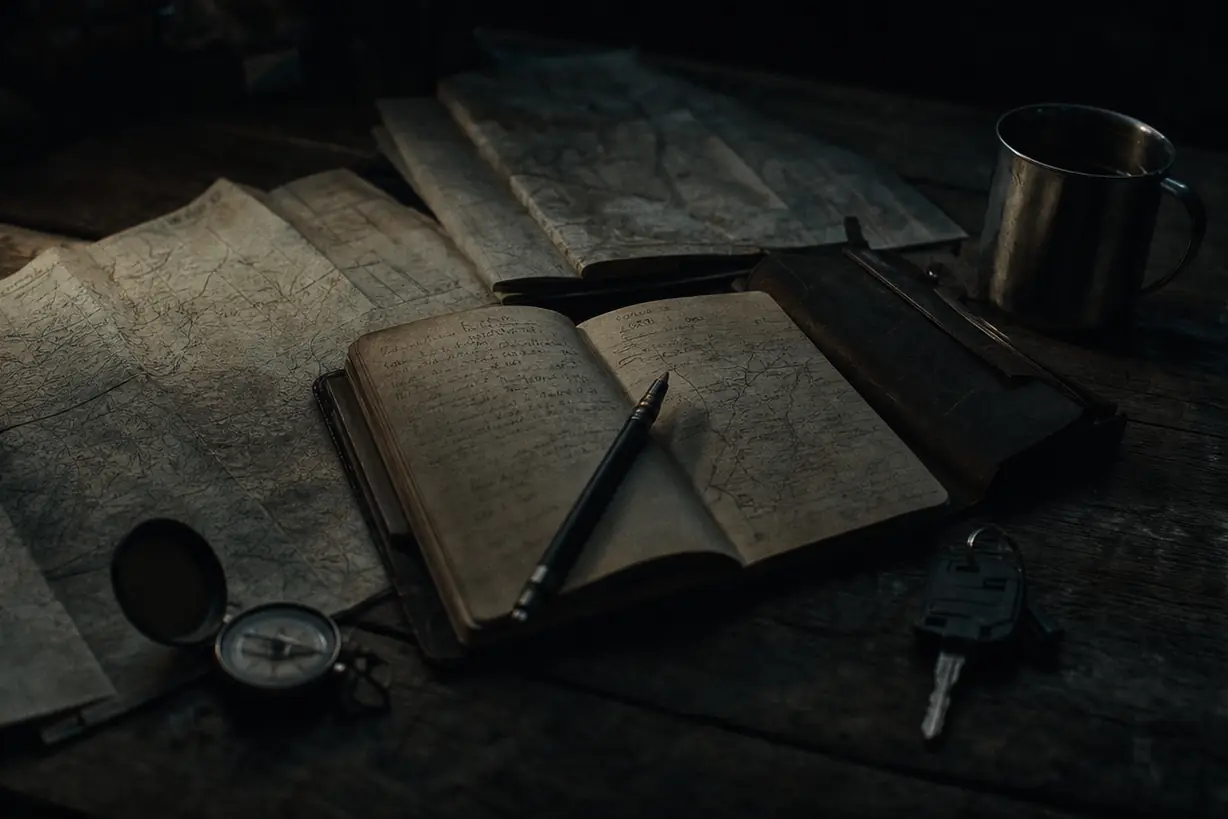
That last one is the whole point. The list from a short trip is always longer than you expect, and almost none of it is dramatic. Power routing. Where the tripod lives. Who has the keys.
The team is the equipment
Gear is easy to test. People are harder. A short route tells you how a crew handles a long day, a bad night's sleep, and a decision that turns out to be wrong — while everyone is still four hours from home.
The annual expedition is where the story gets told. The mini expeditions are where we earn the right to tell it.
Ready is a state you maintain
Capability is not a thing you achieve once and keep. Trucks change, crew changes, the workflow changes every time a new camera comes in. Left alone for a year, a "ready" setup quietly stops being ready.
Short missions keep it honest. They are also, frequently, the better trip.
Built to Go Farther.